1500s

May 1535 - Muster Roll of Lothingland Half-hundred, dated 23rd of the month, listed and named 292 able-bodied men for its defence. Lowestoft provided 130 of these (46%), with three widows included for their late husbands’ weapons. Armaments consisted mainly of bills (a hatchet-like metal attachment on the end of a pole) and bows and arrows, with a minority of the men also possessing helmets and body armour. No firearms are recorded.
Added: 14 April, 2024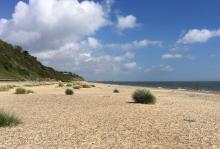
“All Because of the Herring”
The first part of this extended article (Suffolk Review, Spring 2020) dealt primarily with the commercial and civic contention between Great Yarmouth and its nearest neighbours on the Suffolk side of the River Yare: Gorleston and Little Yarmouth.
Added: 13 April, 2024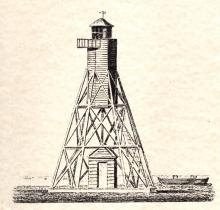
A constant matter of concern during the reign of Henry VIII (1509-47) was that of foreign invasion - particularly by France with the aid of its ally, Scotland. In 1535, a national audit of England’s defensive ability against foreign aggression was ordered by Henry VIII. With there being no regular Army of any kind at the time, lists had to be made of adult males able to fight in all areas of the country – and it was all done, hundred by hundred, to total up the numbers for every shire.
Added: 31 March, 2024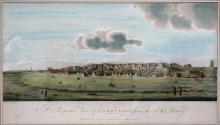
The term denes is an earlier version of dunes. It derives from OE dūn, meaning “a hill”, and became applied to coastal sandhills during the late medieval period – being first identified in a printed source dating from the year 1523. In Lowestoft’s case, any undulating effect may never have been very great as a result of tidal action and the effect of the wind, and the progressive development of scrub-growth of one kind and another would have moderated this even further.
Added: 21 February, 2024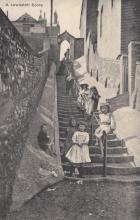
A good deal has been written about the scores over the years - not all of it accurate. What follows here is an account of these footways, working from north to south, and looking at them in both a topographical and historical context. The main sources used for the study are a Manor Roll of 1618 (which gives a complete account of landholding in the parish, together with location and tenancy stated) and a series of Manor Court minute books dating from 1582-85 and 1616-1756.
Added: 1 February, 2024
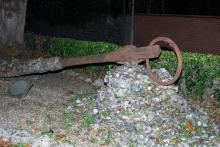
What you see is the remains of the base of a beacon, one of a pair erected in 1550 (on the orders of the Marquis of Northampton), to warn of attack from the sea.
Added: 22 September, 2023
The Lay Subsidy of 1524-5 (1) see also (2)
This national taxation measure was approved by Parliament in 1523, to raise money for war to be waged with France and Scotland (who else!), and with a hoped for total of £800,000 as its aim. As with previous countrywide levies, it was based on the value of lands held and rented out (where this was the major source of income), on movable goods (where these served the same purpose) and on wages for men of labouring or servant status.
Added: 20 September, 2024